
Wilpattu National Park, Sri Lanka – Complete Safari Travel Guide
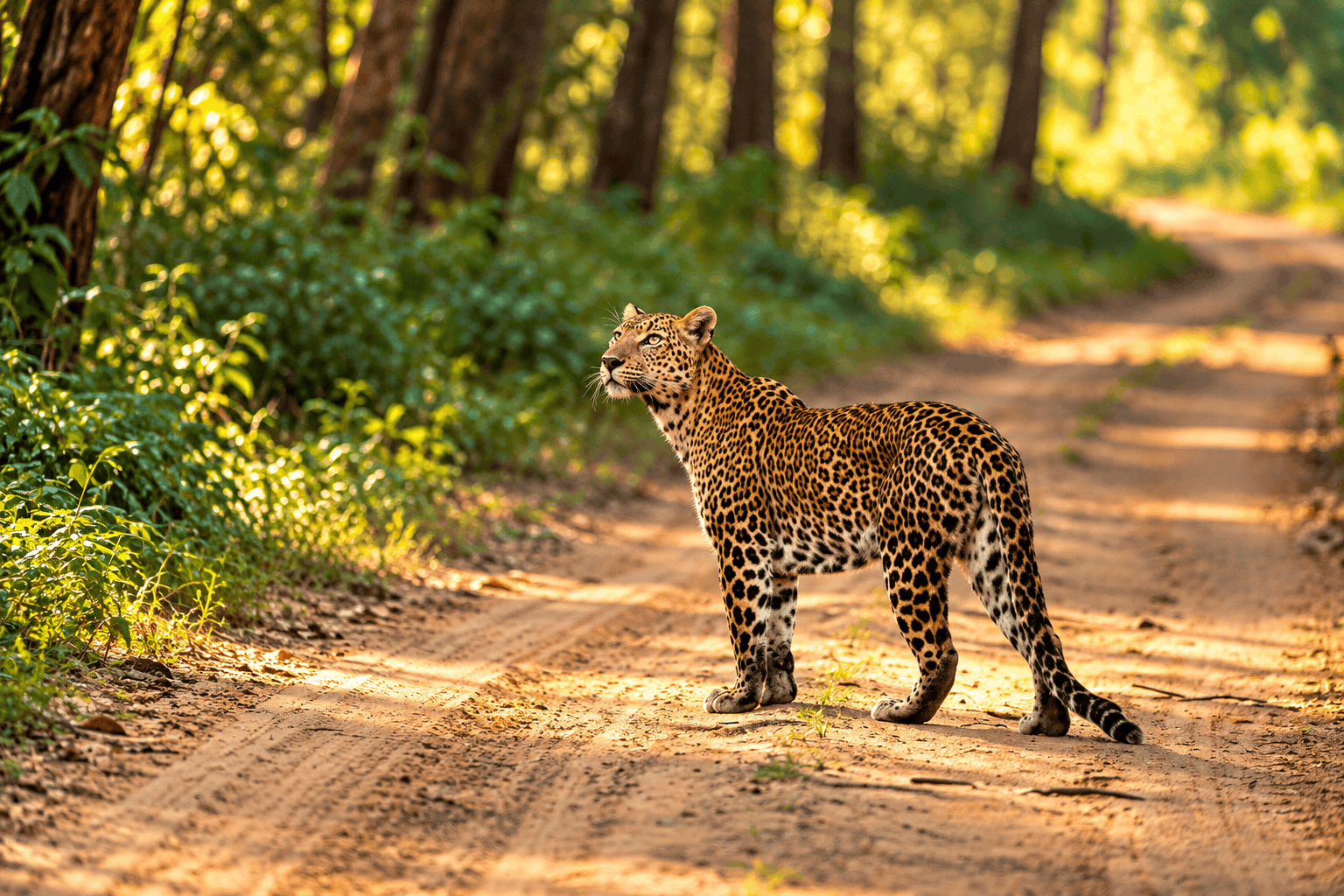
Wilpattu National Park is one of Sri Lanka’s most fascinating wildlife destinations, offering visitors the opportunity to explore vast wilderness areas, natural lakes, dense forests and beautiful landscapes while searching for some of the island’s most iconic animals. Famous for its leopard population, wild elephants, sloth bears and diverse birdlife, Wilpattu is an excellent destination for travellers seeking an authentic Sri Lankan wildlife safari.
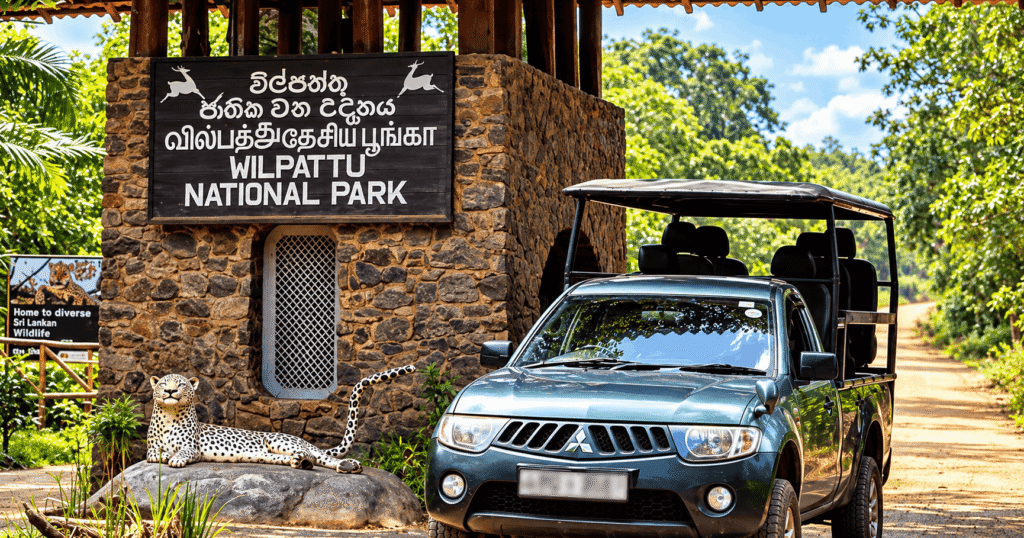 Located in the northwestern part of Sri Lanka, Wilpattu is particularly known for its unique natural lakes, locally called villus. These freshwater and rain-fed lakes create beautiful open spaces within the surrounding forest and attract a variety of wildlife throughout the year.
Unlike some of Sri Lanka’s busier national parks, Wilpattu offers a more peaceful and spacious safari experience. Its extensive wilderness, quiet tracks and natural scenery make it an excellent choice for wildlife photographers, nature lovers, families and international visitors.
Whether you are planning a dedicated wildlife holiday or including a safari in a longer Sri Lanka tour, Wilpattu National Park is a destination worth considering.
About Wilpattu National Park
Wilpattu National Park is one of Sri Lanka’s most remarkable wildlife destinations and the largest national park in the country. Located in the northwestern region of Sri Lanka, between Puttalam and Anuradhapura, the park is famous for its beautiful natural lakes, dense forests, diverse wildlife and peaceful wilderness.
Covering approximately 131,693 hectares, Wilpattu offers a different safari experience compared with more crowded wildlife destinations. Its most distinctive natural feature is the collection of shallow natural lakes known as villus. These rain-fed water basins attract elephants, leopards, sloth bears, deer, crocodiles and numerous bird species.
Wilpattu was declared a wildlife sanctuary in 1905 and officially became a national park in 1938. After remaining closed to visitors for an extended period during Sri Lanka’s civil conflict, the park reopened in 2010. Today, it is an important destination for wildlife enthusiasts, nature photographers and international travellers.
Sri Lanka Travel+2
One of the main reasons travellers visit Wilpattu is the opportunity to observe the Sri Lankan leopard in its natural environment. The park also provides opportunities to see Asian elephants, sloth bears, spotted deer, water buffalo, crocodiles and many colourful birds.
Unlike some other safari destinations, Wilpattu has extensive forest cover and natural water bodies. Wildlife sightings can require patience, but the peaceful surroundings and beautiful landscapes make the experience particularly rewarding.
A safari through Wilpattu is not simply about spotting animals. It is an opportunity to experience Sri Lanka’s natural wilderness, explore unique ecosystems and discover one of the country’s most important protected areas.
What visitors can expect
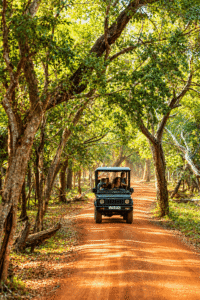
A safari in Wilpattu is not simply a drive through a forest. Visitors travel along sandy tracks, pass beautiful natural lakes and explore quiet woodland areas while looking for animals.
Some of the wildlife you may encounter includes:
-
Sri Lankan leopard: One of the park’s most sought-after sightings.
-
Asian elephants: Often seen near water sources and open areas.
-
Sloth bears: An exciting but less predictable wildlife encounter.
-
Spotted deer: Frequently seen grazing around open grassland.
-
Water buffalo: Commonly associated with wetlands and water bodies.
-
Crocodiles: Occasionally spotted near lakes and waterways.
-
Birdlife: Painted storks, eagles, herons, owls, kingfishers and many other species.
Wildlife sightings are never guaranteed. The experience depends on weather, season, animal movement and the knowledge of your safari guide.
Sri Lanka Travel+2
Things to do at Wilpattu National Park
1. Enjoy a wildlife jeep safari
Recommended time: 3–4 hours for a half-day safari
A jeep safari is the main attraction at Wilpattu. Travel through forest trails, open grasslands and natural water bodies in a four-wheel-drive safari vehicle.
Early morning is a particularly good time to search for leopards, deer, elephants and other wildlife before temperatures become too high.
A half-day safari is suitable for visitors with limited time, while a full-day safari provides more opportunities to explore different areas of the park.
2. Search for the Sri Lankan leopard
Recommended time: 3–4 hours or longer as part of a safari
Wilpattu is an important destination for leopard enthusiasts. Its extensive forest habitat and natural water sources create suitable conditions for these elusive animals.
Watch carefully around forest edges, sandy tracks and open areas near the villus. Your guide can help identify possible leopard tracks and signs of wildlife activity.
Remember that patience is essential. Even on a full-day safari, a leopard sighting cannot be guaranteed.
3. Explore the natural villus
Recommended time: 20–40 minutes at selected stops
The villus are among the most beautiful features of Wilpattu. These natural water basins are surrounded by forest and grassland, creating peaceful scenery and attracting birds and mammals.
Take time to observe the surroundings, photograph the landscape and look for animals approaching the water.
4. Go birdwatching
Recommended time: 30–60 minutes during your safari
Wilpattu is an excellent destination for bird lovers. Its lakes, wetlands and forest habitats support resident and migratory bird species.
Bring binoculars and a camera with a suitable zoom lens to observe birds without disturbing them.
 5. Photograph elephants and other wildlife
Recommended time: 30–60 minutes, depending on sightings
Wildlife photography is one of the most rewarding experiences in Wilpattu. You may photograph elephants, spotted deer, water buffalo, crocodiles and colourful birds.
A camera with a telephoto lens is useful because animals may remain at a distance from safari tracks.
6. Experience a full-day safari
Recommended time: 6–8 hours
For visitors who want to explore more of the park, a full-day safari is an excellent option. It allows more time for different habitats, wildlife observation and photography.
Discuss the safari duration, lunch arrangements, park entry and vehicle charges with your safari operator before departure.
Getting to Wilpattu National Park from the airport
Airport transfer details
| Travel information | Details |
|---|---|
| Starting point | Bandaranaike International Airport (CMB) |
| Destination | Wilpattu National Park |
| Approximate road distance | 227 km |
| Estimated travel time | 5–5.5 hours |
| Recommended transport | Private car, SUV or van |
3 ways to travel via plane
Recommended driving route
The usual road journey follows:
Bandaranaike International Airport → Negombo → Chilaw → Puttalam → Nochchiyagama → Hunuwilgama Entrance
The Hunuwilgama entrance is a commonly used access point for visitors approaching from the Anuradhapura side.
Travel time can change depending on traffic, weather, road conditions and your final accommodation or safari meeting point.
Airport transfer recommendation
For international travellers arriving at Colombo Airport, arranging a private airport transfer is a convenient way to reach Wilpattu. You can travel comfortably with your luggage and arrange a pickup time that suits your flight arrival.
For your website, connect this destination to the matching Wilpattu National Park airport transfer destination in Destination settings. This will allow the applicable transfer rates to appear automatically on the destination page.
Best time to visit Wilpattu National Park
Wilpattu can be visited throughout the year, but the dry season generally offers better opportunities for observing wildlife around remaining water sources.
Best months for a safari
| Period | Conditions |
|---|---|
| February–April | Generally improving conditions after the main rainy period |
| May–September | Dry season; good opportunities for wildlife observation |
| October–December | Wetter conditions, with possible heavy rainfall |
| January | Conditions generally begin improving after the rains |
The Department of Wildlife Conservation’s management plan identifies May to mid-September as the main dry period, while September to December is generally wetter. Weather patterns can vary from year to year.
Best time of day
Early morning safari (6:00 AM – 10:00 AM)
Early morning is a popular choice because temperatures are cooler and many animals are more active.
Afternoon safari (approximately 2:30 PM – 6:00 PM)
The late afternoon offers another opportunity to observe wildlife as temperatures begin to decrease.
My recommendation: Choose an early morning safari if wildlife photography and leopard spotting are your main priorities. Consider a full-day safari if you have enough time and want to explore more of the park.
Practical tips for visiting Wilpattu National Park
1. Tickets and entrance fees
Visitors must obtain an official national park entry permit before entering Wilpattu.
You can arrange the permit through the Department of Wildlife Conservation’s official online booking service or at the park entrance, subject to the applicable procedures.
Official online booking: Department of Wildlife Conservation – eServices.
The total safari cost may include:
-
National park entrance fees.
-
Foreign visitor or local visitor charges, as applicable.
-
Vehicle and service charges.
-
Safari jeep hire.
-
Driver and guide arrangements.
Safari jeep hire is generally separate from park entrance charges. Confirm the complete price with your operator before booking.
2. Opening hours
The commonly published visiting hours are:
-
Opening: 6:00 AM
-
Closing: 6:00 PM
Entry is subject to park regulations and operational conditions. Confirm the latest arrangements with the park before travelling.
3. What to wear
Choose comfortable, lightweight clothing suitable for a tropical wildlife safari.
Recommended items include:
-
Neutral-coloured clothing such as green, brown and beige.
-
Comfortable trousers.
-
Walking shoes or comfortable footwear.
-
A hat or cap.
-
Sunglasses.
Avoid bright clothing and strong perfumes when observing wildlife.
4. What to bring
Pack the following essentials:
-
Drinking water.
-
Sunscreen.
-
Insect repellent.
-
Camera and extra batteries.
-
Binoculars.
-
Hat or cap.
-
Personal medication.
-
Light snacks for longer journeys, subject to park rules.
5. Follow wildlife safety rules
Always follow your safari guide’s instructions. Do not feed animals, make loud noises or attempt to approach wildlife.
Remain inside the safari vehicle unless your guide and park regulations permit otherwise. Maintain a safe distance from elephants, leopards and other wild animals.
6. Book your safari in advance
During popular travel periods, arranging your safari jeep and guide ahead of time can make your visit easier.
Discuss the following before confirming:
-
Morning, afternoon or full-day safari.
-
Jeep capacity and vehicle condition.
-
Park entrance charges.
-
Guide arrangements.
-
Pickup and drop-off locations.
Last checked: 31 October 2026. Exact entrance fees and operating arrangements should be reconfirmed with the Department of Wildlife Conservation before publication or travel. No unverified current ticket price is quoted here.
FAQs about Wilpattu National Park
1. Where is Wilpattu National Park located?
Wilpattu National Park is situated in northwestern Sri Lanka, mainly within the North Western and North Central regions. It is accessible through entrances including Hunuwilgama and Eluwankulama.
2. What is Wilpattu National Park famous for?
Wilpattu is famous for its Sri Lankan leopard population, natural villus, elephants, sloth bears, birdlife and extensive forest landscapes.
3. Is Wilpattu National Park worth visiting?
Yes. Wilpattu is an excellent destination for travellers who enjoy wildlife, photography and peaceful nature experiences. Its natural lakes and extensive wilderness make it different from many other Sri Lankan national parks.
4. Can I see leopards in Wilpattu?
Yes, leopards live in Wilpattu and can be seen during safaris. However, sightings are never guaranteed because these animals are wild and move freely throughout the forest.
5. How long does a Wilpattu safari take?
A half-day safari usually takes around 3–4 hours, while a full-day safari can take approximately 6–8 hours.
6. What animals can I see in Wilpattu National Park?
Visitors may encounter Sri Lankan leopards, Asian elephants, sloth bears, spotted deer, water buffalo, crocodiles, monkeys and numerous bird species.
7. What is the best month to visit Wilpattu?
February to October is commonly recommended, with May to September offering particularly favourable dry-season conditions for wildlife observation.
8. Is Wilpattu better than Yala National Park?
Both parks offer excellent wildlife experiences. Yala is particularly famous for leopard sightings, while Wilpattu offers a quieter safari experience with extensive forest landscapes and natural villus. The best choice depends on your travel preferences.
9. How far is Wilpattu National Park from Colombo Airport?
The road journey from Bandaranaike International Airport is approximately 227 km, taking around 5–5.5 hours depending on traffic and road conditions.
10. Can children visit Wilpattu National Park?
Yes. Families can visit Wilpattu with children. However, parents should consider safari duration, vehicle comfort, heat and wildlife safety before planning the trip.
11. Can I visit Wilpattu without a safari jeep?
Visitors generally explore the national park using authorised safari vehicles. Private walking or independent driving inside the park is not permitted.
12. Are there accommodation options near Wilpattu?
Yes. There are safari lodges, eco-camps, guesthouses and other accommodation options around the park, particularly near Hunuwilgama, Nochchiyagama and Puttalam.
13. Is Wilpattu suitable for wildlife photography?
Absolutely. Wilpattu offers excellent opportunities to photograph leopards, elephants, birds, natural lakes and beautiful forest landscapes. A telephoto lens and binoculars are useful.
14. Can I combine Wilpattu with an Anuradhapura tour?
Yes. Wilpattu can be combined with an Anuradhapura sightseeing tour because both destinations are located in the north-central region of Sri Lanka. You can arrange a wildlife safari and visit historical attractions as part of a multi-day itinerary.
15. Do I need to book Wilpattu safari tickets in advance?
Advance planning is recommended, especially during busy travel periods. Check the official Department of Wildlife Conservation e-permit service for current booking procedures.
Explore Wilpattu with Hela Lanka Travel & Tours
Whether you are travelling from Colombo Airport, Anuradhapura or another destination in Sri Lanka, we can help arrange your journey.
Plan your Wilpattu wildlife safari with Hela Lanka Travel & Tours and experience the wild beauty of Sri Lanka.